
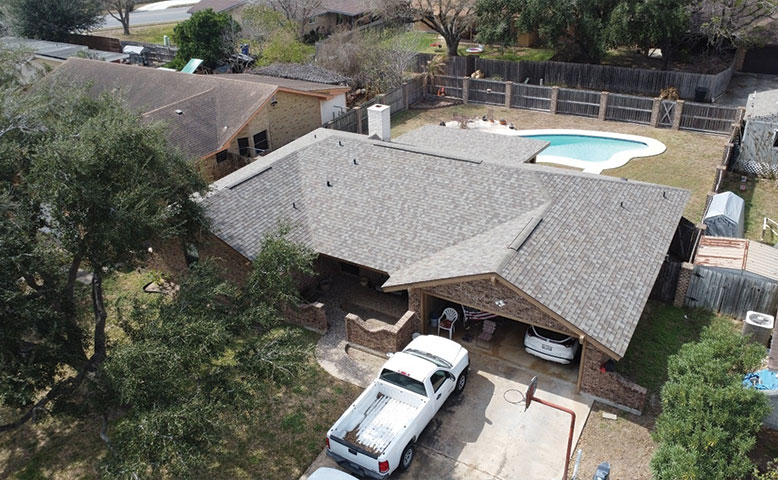
Storms can hit fast and hard. High winds lift shingles. Hail bruises the surface. Driving rain sneaks under the edges. Many folks only look for big, obvious holes. The real trouble often hides where you cannot see it: underlayment, flashing, and roof vents. That “small” leak can drip for weeks, soaking wood and insulation. Bills rise as ceilings stain, mold grows, and energy use climbs. Storm restoration stops the spread early, replaces only what is damaged, and brings the roof back to strong shape. Done right, it can keep thousands in your pocket. In this article, you will learn how storm restoration can save you thousands after roof damage.
Storms Cause Hidden Roof Damage You Miss
A roof can look fine from the ground, yet still be hurt. Hail can crush the tiny granules on shingles. Those granules protect the asphalt from the sun. When they are gone, shingles wear out faster. Wind can cause “uplift,” where nails loosen and edges curl. Rain then blows under the shingle and wets the felt or underlayment. Flashing (the thin metal around chimneys and walls) can bend or crack. You might also see dents on ridge caps and soft spots near vents.
Here are clear clues to check after a storm:
- Sand-like granules piling in gutters or downspouts
- Shingles with cracks, bruises, or edges that lift when pressed
- Loose flashing, bent drip edge, or missing ridge caps
- Water stains on ceilings, attic damp spots, or a musty smell
Catching these signs early makes repairs smaller and cheaper.
How Restoration Differs From Total Roof Replacement
Total replacement means stripping all shingles, underlayment, and often flashing, then installing new materials everywhere. That is costly and takes more time. Storm restoration is different. It targets the hurt areas and keeps the good parts. Roofers match shingle type, color, and nailing pattern, replace torn underlayment, and re-seal disrupted flashing. When damage is spread out or the roof is very old, full replacement may still be best. But many roofs suffer patchy harm: a few slopes, a ridge, or one side hit by wind and hail.
Restoration can include:
- Swapping out fractured shingles on damaged slopes
- Resealing step flashing along walls and chimneys
- Installing new ridge caps and vent boots
- Adding ice and water shield in leak-prone spots
Because less material and labor are used, costs fall while the roof returns to sturdy, code-compliant shape.
Insurance Claims: Steps That Protect Your Wallet
Insurance can cover storm damage, but only if you act with care. Start by taking clear photos from the ground and from the attic if safe. Note the date, time, and the parts of the home affected. Prevent more harm by tarping obvious openings. Then call your insurer to start a claim and get a claim number. Ask a trusted roofer to inspect before the adjuster visits. A pro can mark hits, check slopes, and list exact repairs.
Keep these tips in mind:
- Save receipts for tarps, fans, or temporary fixes
- Meet the adjuster with your roofer present
- Ask about code upgrades required today (for example, new underlayment or drip edge)
- Know two common payout terms:
- ACV (Actual Cash Value): pays today’s value after age wear
- RCV (Replacement Cost Value): pays the full cost once work is done
Good notes and quick action help you get the right scope approved.
Smart Repairs That Stop Leaks And Mold
Water spreads fast along wood and insulation. The best “money saver” is stopping leaks the same day they are found. Roofers often start with emergency dry-in work: tacking down underlayment and sealing exposed seams. Next, they replace harmed shingles using the correct nail count (often four nails per shingle, six on steep or high-wind areas). They reset or swap damaged flashing around skylights, chimneys, and sidewalls. Vent boots crack often; new boots with proper sealant can halt sneaky drips.
Simple but strong add-ons include:
- Ice and water shield in valleys and low slopes to block wind-driven rain
- Drip edge along eaves to guide water into gutters
- Closed-ridge or ridge vent repairs to keep airflow steady and dry out the attic
Quick, focused fixes stop mold, protect drywall, and avoid costly tear-outs later.
Technical Checks Pros Use After Big Storms
Good roofers rely on tools, not guesses. Here are common checks explained in plain words:
- Moisture meter: measures damp levels in wood and drywall. Readings above 16–20% suggest trouble.
- Pull test on shingles: a light tug checks if nails held or if wind loosened them.
- Granule loss mapping: chalk marks show hail hits and bare spots. Too many in a 10×10 square can mean that the slope needs repair or replacement.
- Flashing inspection: Pros look for gaps at step flashing, headwall flashing, and chimney counter-flashing. Even a 1/8-inch gap can let wind-blown rain in.
- Vent and boot review: UV cracks and hail dents show up first around pipes and ridge vents.
- Attic scan: daylight peeking through, damp insulation, or rusted nails confirm leaks.
These tests make the repair plan clear and keep the scope tight and fair.
Real Costs Saved Through Targeted Restoration Work
Let’s break down where the savings come from. Material is a big part of roof costs. If only certain slopes are harmed, you buy far fewer bundles of shingles, less underlayment, and fewer vents. Labor hours drop too, since crews focus only on the hurt sections. Dump fees are lower because there is less tear-off. Inside the home, stopping water early avoids big drywall, paint, and flooring bills. Many homes avoid months of higher electric bills because the attic dries faster and insulation stays intact.
Common restoration savings show up in:
- Partial slope repairs instead of a whole-roof tear-off
- Flashing fixes that stop leaks without opening large areas
- Spot decking swaps where only soft sheets get replaced
- Quick dry-in work that prevents ceiling and wall damage
Small, focused jobs can add up to thousands saved over a full replacement.
Simple Maintenance Habits That Make Savings Last
Storms will come again. A few low-cost habits help your repaired roof last longer. Keep gutters clean each season so water moves away fast. Trim branches that rub the roof or can break in high winds. From the ground, scan for lifted edges after each big storm. In the attic, look for damp insulation, rusty nails, or a musty smell; these are early flags that something needs attention. Replace cracked vent boots when you see them. Ask for a roof check each year so small issues get fixed quickly.
Handy reminders:
- Take photos of your roof when it is healthy for a “before” record
- Clear debris from valleys where water flows
- Check that downspouts empty away from the foundation
- Keep a simple roof log with dates, storms, and repairs
These steps keep costs down and help your warranty stay valid.
Technical Upgrades That Pay Off Over Time
Some upgrades are small in price but big in value. When restoring, ask your roofer about using shingles with better impact ratings (Class 3 or Class 4 under common test rules). These resist hail hits better than basic shingles. On windy sites, a high-wind nailing pattern and starter strips along eaves help shingles stay put. A synthetic underlayment resists tearing better than old felt and stays stable when wet. In valleys, adding ice and water shields creates a strong second barrier where rain flows faster.
Think about airflow, too. A balanced system—intake at soffits and exhaust at the ridge—keeps heat and moisture from building up. Cooler, drier attics help shingles last. These simple choices during restoration can reduce future repairs and stretch your roof’s life.
Choose Help That Puts Your Home First Storm restoration should be clear, honest, and on budget. A steady process—inspect, document, dry-in, repair, and verify—keeps costs low and stops damage from spreading. If a recent storm hit your area, get a careful roof check and act fast on small issues. For trusted help, reach out to Hidalgo Roofing and Remodeling. Our team offers storm restoration services, meets with adjusters, and focuses on fixing what is needed so you save money and protect your home. A short visit today can prevent large bills tomorrow.