
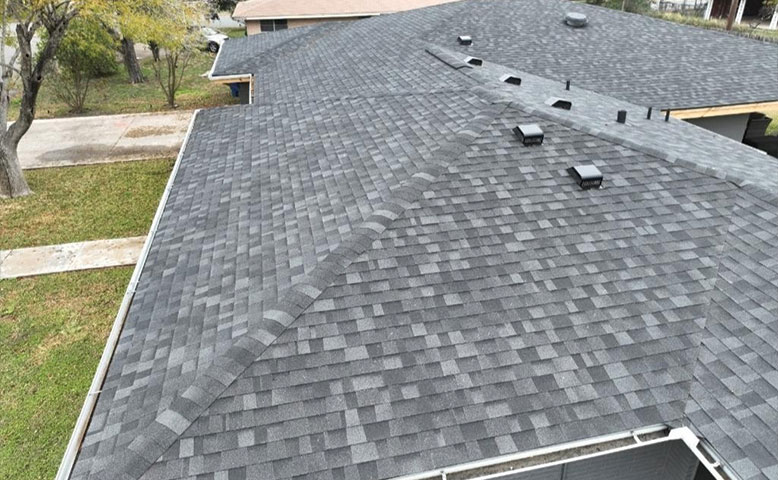
Your roof keeps the sun, wind, and rain out. When it fails, water sneaks in and spreads. A tiny leak can travel along wood or nails and show up far from the real problem. The good news: many roof issues leave easy-to-spot clues. This blog explains seven warning signs that you need a roof repair and simple steps you can take. The language is plain, and each section includes quick checks and short tech notes. If you spot one or more signs, act soon. Fast fixes cost less than major tear-offs. Read on, walk outside, peek in the attic, and use these tips to protect your home and budget.
Brown Ceiling Stains Or Spots After Rain
Brown or yellow stains on ceilings or walls often point to a roof leak. Water may enter near a vent or nail hole, then run along the wood and drip somewhere else. That is why stains can appear far from the real leak. Sometimes warm, damp air in a bathroom or kitchen can form condensation that looks like a leak, so check both the roof and the room below.
Quick checks
- Look in the attic after rain. Dark wood or shiny nails mean moisture.
- Gently press the stained drywall. Soft spots suggest an active leak.
- Use a simple moisture meter. Wood above ~15–20% is staying wet.
Tech note: A roof has layers—shingles, underlayment, and wood decking. A torn underlayment or a loose nail can let water pass even when shingles look fine. Sealing the surface only helps for a short time; fix the failed part.
Missing, Cracked, Or Curled Asphalt Shingle Edges
Shingles should lie flat and stick down. If you see curled edges, cracks, or missing tabs, wind and sun have taken a toll. Gaps let water and wind reach the layer below, which is not built to shed water for long. Storms often lift the first row at the roof edge and in roof valleys.
Quick checks
- Step back and scan rows. Look for uneven lines or shiny nails.
- Check the edges, valleys, and ridges; wind hits these hardest.
- Lift a corner gently on a cool day. If the seal strip doesn’t resist, it may have failed.
Tech note: Asphalt shingles have wind ratings (e.g., ASTM D7158 Class H). Ratings help, but correctly nailing matters just as much. Nails must be in the marked nailing zone and fully set. Too high, too few, or overdriven nails weaken the hold.
Sand-Like Granules Found In Gutters And Downspouts
Those tiny “sand” bits in your gutters are shingle granules. They protect the asphalt from sun damage. Some loss is normal, but piles of granules signal faster wear. Bald spots on shingles expose black asphalt. Exposed asphalt dries, cracks, and leaks sooner.
Quick checks
- Scoop a handful from the gutter. A light sprinkle is normal; cups or piles are not.
- Look for dark, smooth circles on shingles. These are worn areas.
- Check the steep sections and valleys where water hits harder.
Tech note: Granules shield shingles from UV rays and add texture that helps water flow off the roof. Heavy loss on a newer roof can mean hail impact or a factory issue. A roof inspection can tell the difference and guide the right fix.
Loose Or Rusted Flashing Near Roof Openings
Flashing is thin metal or a formed boot that seals where the roof meets walls, chimneys, pipes, or skylights. If it bends, rusts, cracks, or pulls away, water slips behind shingles. Caulk around metal dries and splits with the sun and heat. Small gaps can leak a lot during wind-driven rain.
Quick checks
- Look for spaces where metal meets brick, siding, or shingles.
- Inspect pipe boots. Cracked rubber rings around the pipe are leak paths.
- Check old caulk lines. Brittle or split sealant no longer seals.
Tech note: Chimneys need step flashing covered by counterflashing set into the mortar joint. Just gluing metal to brick is a short-term patch. Proper overlap forces water to flow on top of each layer, never behind it.
Roof Deck Looks Saggy Or Feels Spongy
From the street, your roof should look straight. Dips, waves, or a “springy” feel underfoot suggest the wood deck is weak. Long-term leaks, poor attic venting, or undersized panels can cause this. Wet wood loses strength, bends, and can even grow mold.
Quick checks
- Sight along the ridge and eaves. Note any low spots or ripples.
- In the attic, look for dark rings, mold, or wood that flakes.
- Tap the deck with a screwdriver handle. A dull thud can mean rot.
Tech note: Many roofs use 7/16-inch OSB over rafters spaced 24 inches. That works when wood stays dry. Wood above ~20% moisture for long periods can fail. Repairs may include new panels, sistered rafters, and better venting so the deck stays dry.
Moss, Algae, Or Black Streaks Spreading Across
Green moss, dark slime, or long black streaks show that parts of your roof stay damp. The black streaks are often a tiny algae called Gloeocapsa magma. Moss can lift shingle edges and trap water, which speeds decay and sends water sideways under the tabs.
Quick checks
- Look on the north side and under the trees. Shade keeps the roof areas wet.
- Wipe a small spot with a cloth. If black comes off, it is likely algae.
- Check for slow gutters. Standing water helps growth spread.
Tech note: Skip pressure washing; it can tear off granules. A safer method uses a roof-safe cleaner and low-pressure rinsing. Zinc or copper strips near the ridge release ions when it rains. Those ions help slow new growth. Trim branches to let sun and air reach the roof.
High Bills Or Hot, Stuffy Attic Space
A very hot attic cooks shingles from below and makes your AC work harder. In winter, a cold, damp attic can condense water and drip. Good venting uses low intake (soffit vents) and high exhaust (ridge or roof vents) to keep air moving. Many codes use the “1:300 rule”: for every 300 square feet of attic, aim for about 1 square foot of net free vent area, split between intake and exhaust.
Quick checks
- On a hot day, step into the attic. If it feels like an oven, airflow may be weak.
- Look for blocked soffit vents. Insulation often slides and closes them.
- Check for baffles at the eaves so insulation can’t block airflow.
Tech note: Add intake first, then exhaust. A roof fan without a good intake can pull cooled air from the house. Balanced airflow keeps the deck drier and helps the roof last longer.
What To Do When You See These Signs
You don’t have to climb on the roof to be safe. Walk the yard, look from different angles, and use a flashlight in the attic. Take photos so you can track changes after each storm.
Simple action list
- Clean gutters in spring and fall so water can flow.
- After a strong wind, look for shingle pieces on the ground.
- Check caulk and boots around vents twice a year.
- Keep branches off the roof to cut the shade and rubbing.
- Mark stain edges on ceilings with painter’s tape to see if they grow.
Tech note: A basic infrared thermometer or phone add-on can spot temperature differences. Wet spots often read a bit cooler after rain. Mark those places and check above them in the attic.
Conclusion If you notice stains, loose shingles, bad flashing, sagging wood, growth, or attic heat, act soon. Small fixes now prevent bigger repairs later. For clear answers and safe repairs, call Hidalgo Roofing and Remodeling. We provide roofing services, from careful inspections to shingles, flashing, and vent upgrades. Our team can explain what is wrong, what it will take to fix it, and how to prevent repeat damage. Schedule a roof check with Hidalgo Roofing and Remodeling, and keep your home dry and strong.